Aboriginal Heritage Due Diligence Assessment (NSW)
Often the first and only heritage step a development needs — and the cheapest way to find out where you stand.
When do you need one?
Councils frequently require a due diligence assessment where their LEP, DCP or Aboriginal heritage sensitivity mapping flags potential. It’s also simply good risk management: harming an Aboriginal object without an AHIP is a strict-liability offence under the National Parks and Wildlife Act 1974, and the due diligence process is the recognised way to manage that risk.
What the assessment involves
- An AHIMS (Aboriginal Heritage Information Management System) search for recorded sites and previous reports.
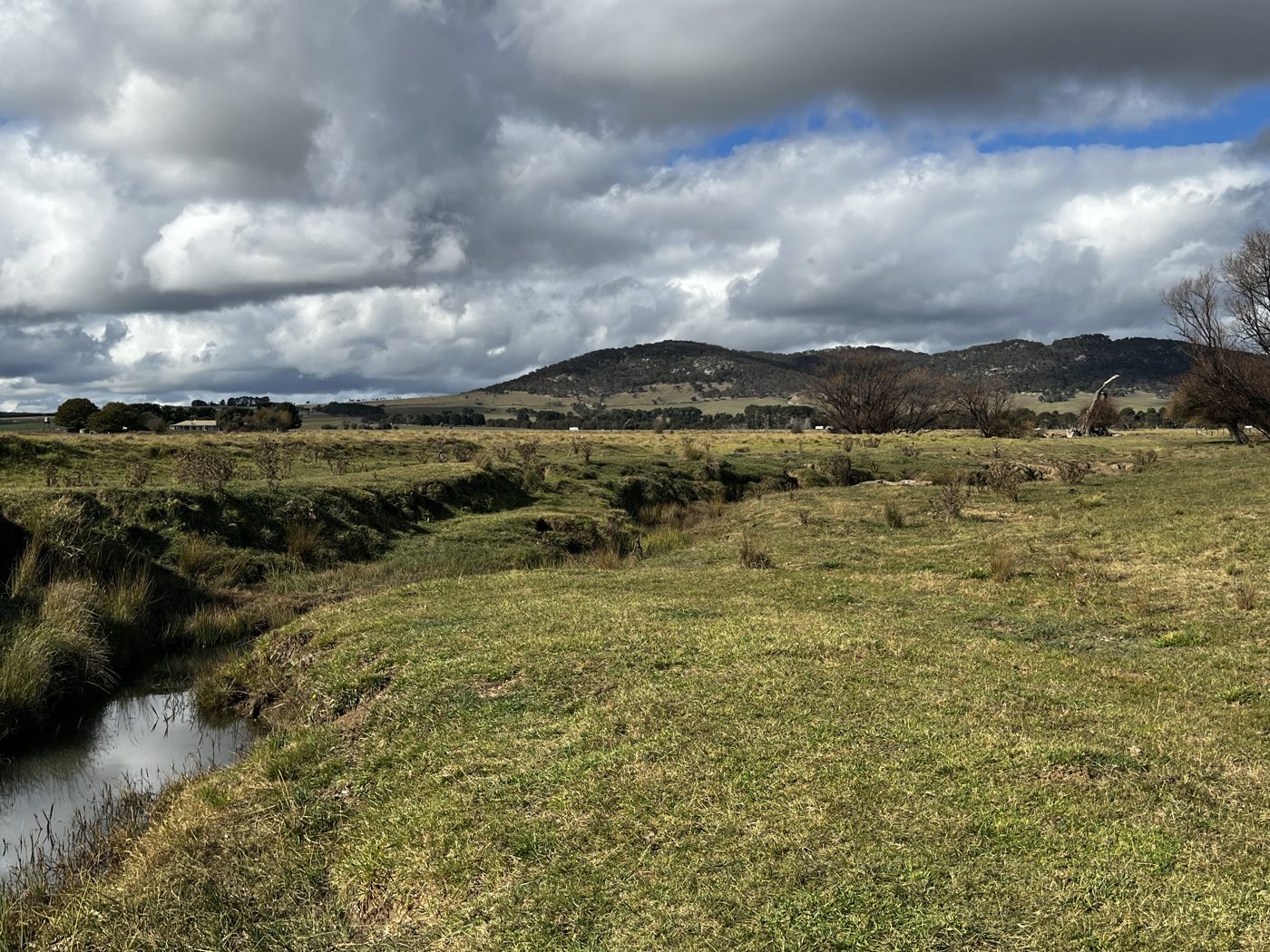
- A review of landscape features the Code associates with Aboriginal objects.
- A site inspection where warranted.
- A clear written finding: proceed with caution, manage, or commission a full ACHAR.
What you get
A concise, defensible report you can lodge with your DA, written by a PhD archaeologist who knows how assessors read them. If the answer is “you’re clear,” you’ll have the evidence to show it. If it isn’t, you’ll get a straight account of what’s required next — no padding.